The IN.P.U.T. Project – INclusion, Protection and Promotion of Human Rights for the Safeguarding of Vulnerable Minors, including girls and boys with disabilities, in East Jerusalem, funded by the Italian Agency for Development Cooperation (AICS) and implemented by the Italian NGO EducAid, brought the EducAid and AICS team to the Nabi Samweil and Al-Aqsa schools in Jerusalem to closely observe the progress of activities and meet the students and teachers involved.
The Nabi Samweil school is the only school in the village and also welcomes children from Hay il Khalaila, located about four kilometers away, thanks to a school transportation service. Founded in 1964 with just one classroom and seven students, today it offers education from kindergarten through lower secondary school, serving a total of 88 girls and boys. The school follows the Palestinian curriculum with the support of the Jerusalem Directorate of Education (JDoE).
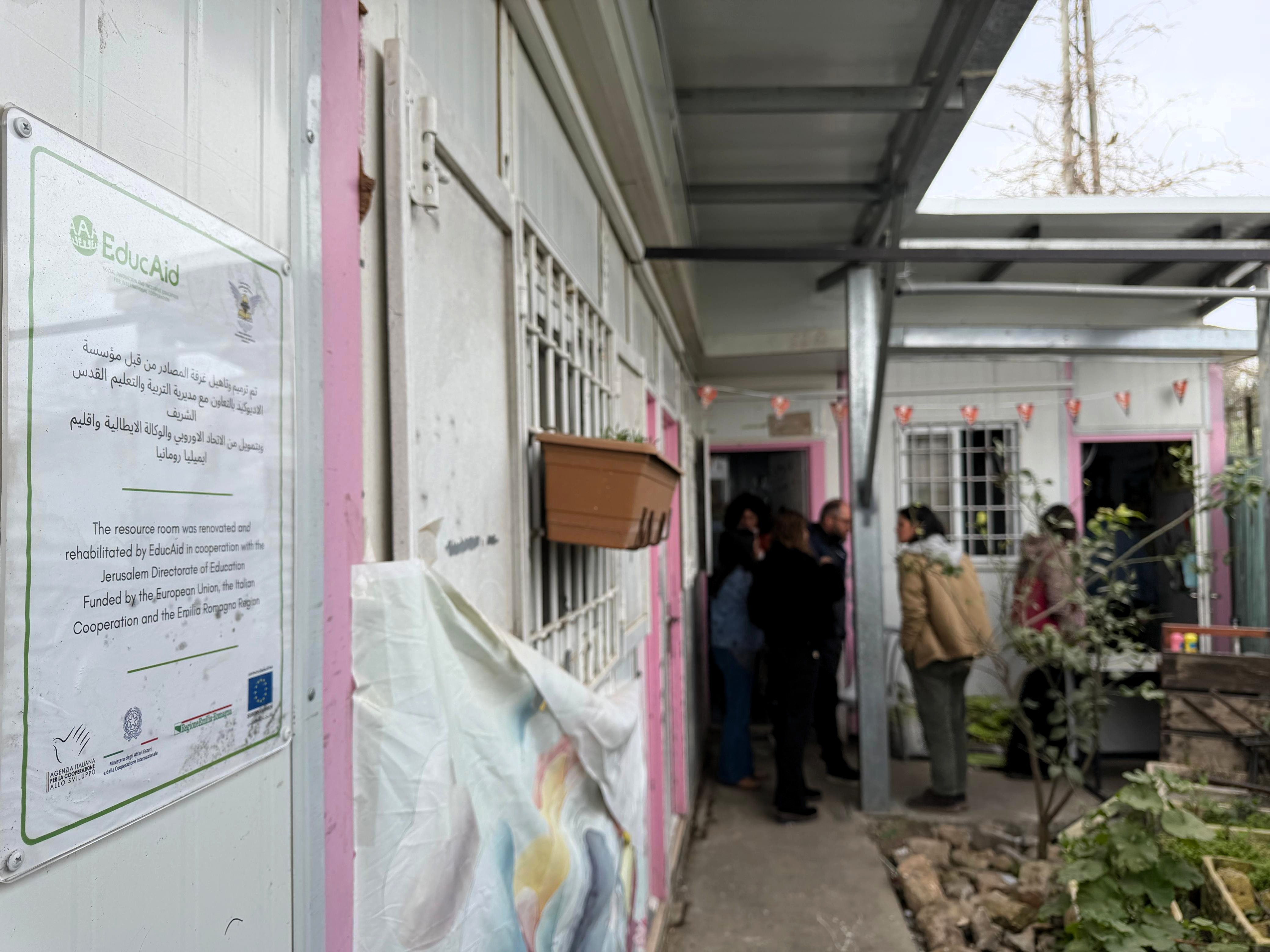
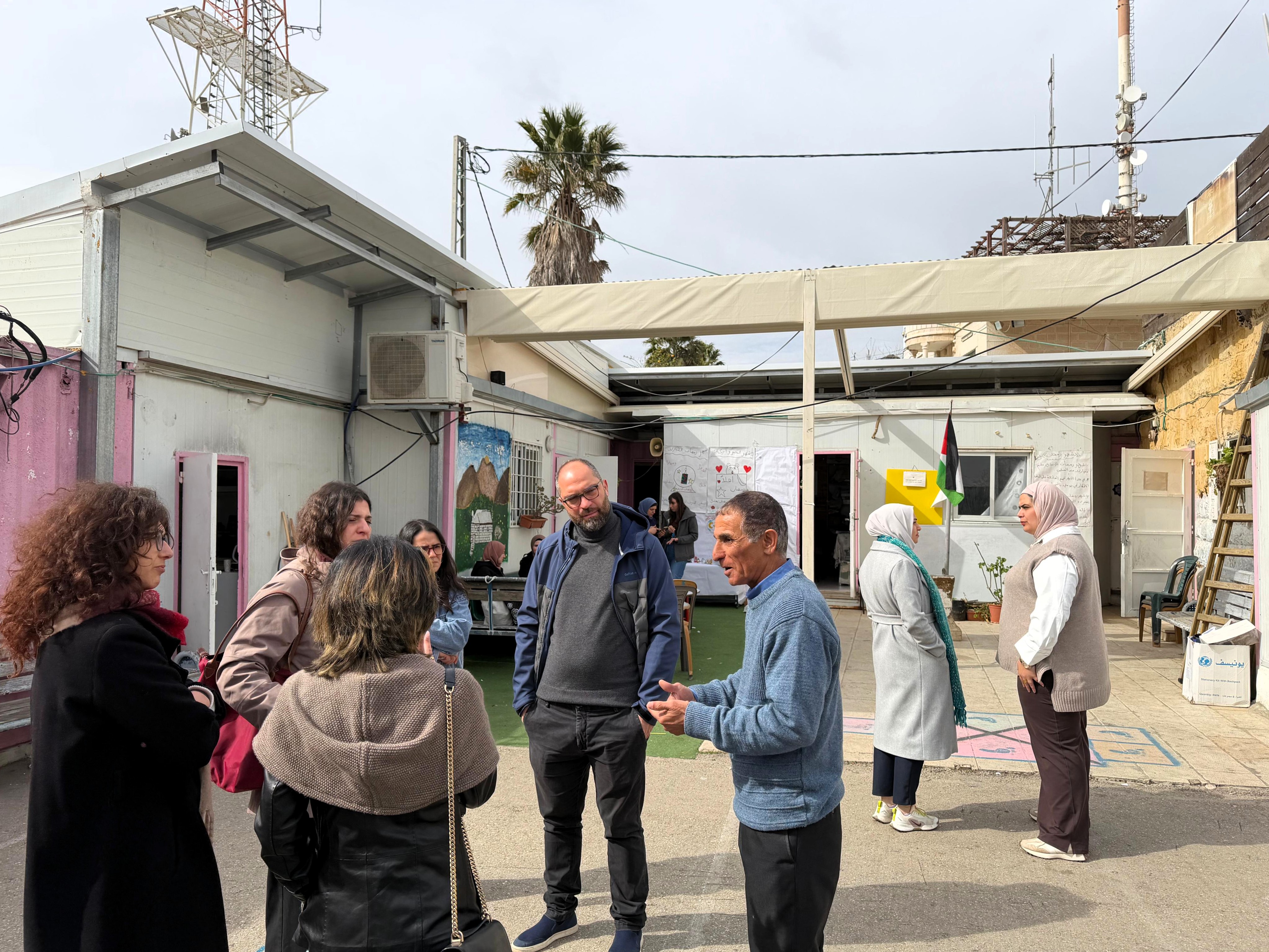
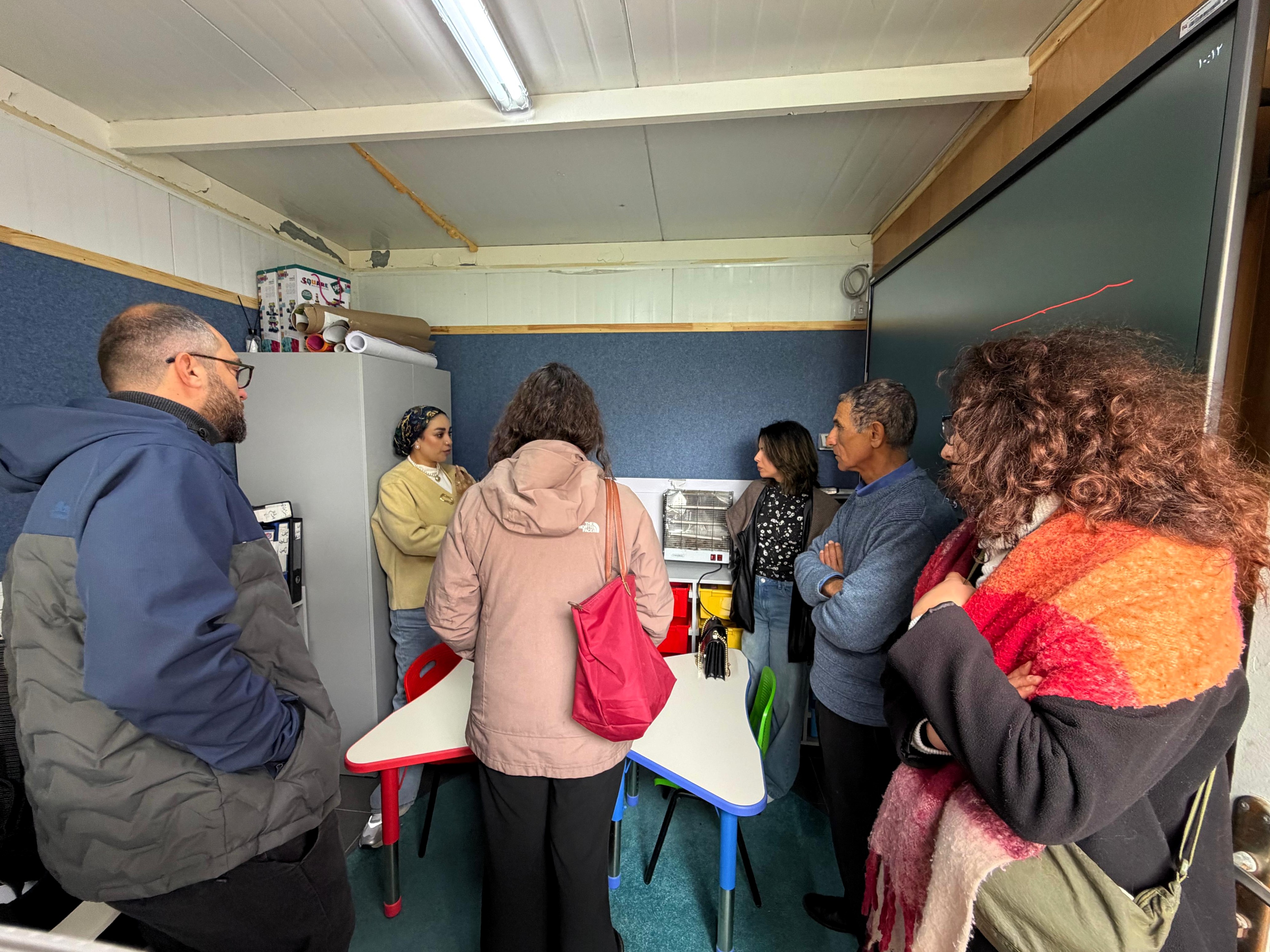
The meeting with the principal and the visit to the facility highlighted the school’s unique characteristics: part of the building was constructed under Jordanian law, while other sections consist of containers, as Israeli authorities do not grant permits for the construction of additional structures. Among the most significant developments is the Resource Room, a multifunctional space funded by the IN.P.U.T. project and managed by a social worker, where psychosocial and educational activities are carried out.
During the visit, the team met four educators from Al-Quds University, who launched psychosocial sessions for primary school students. Through these sessions, children have the opportunity to express their emotions, talk about their dreams, and reflect on their identity. For boys, the activities help overcome difficulties in expressing emotions, while for girls they represent a crucial opportunity to challenge gender stereotypes and promote self-esteem and self-confidence.
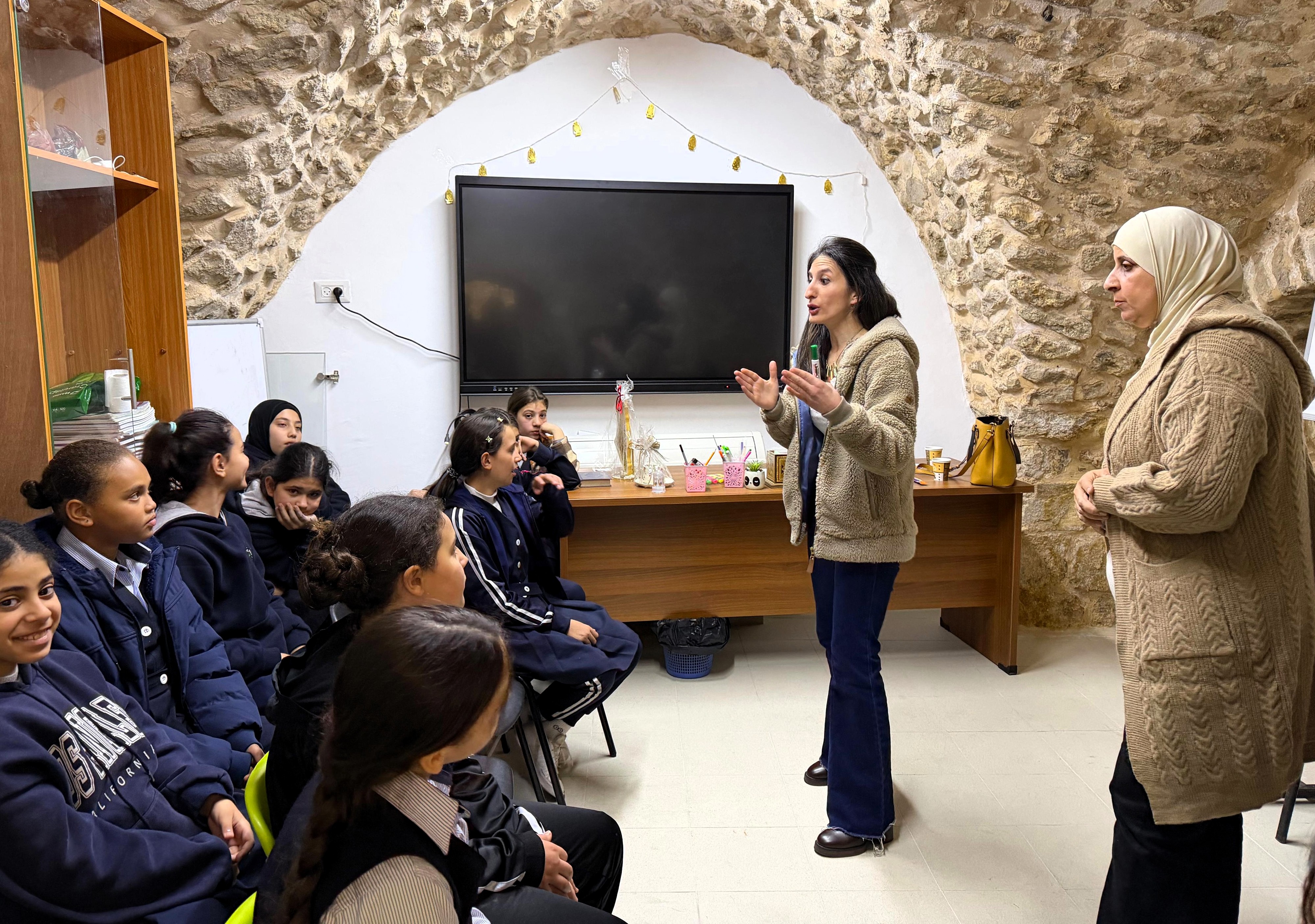
The second stop of the visit was Al-Aqsa school, a private school with 250 students and 48 teachers, distributed across four locations in the Old City, including a unique site inside the Haram al-Sharif compound. Here, from kindergarten through secondary school, activities focus on social inclusion and raising awareness about persons with disabilities.
During the visit, the team observed two awareness-raising and listening sessions conducted by two EducAid peer counselors, who engaged students in interactive activities aimed at challenging stereotypes related to disability and promoting inclusion. Students had the opportunity to interact directly with them, gaining a better understanding of social barriers and the importance of solidarity and mutual respect.
The visit confirmed the central role of schools as spaces for inclusion, growth, and psychosocial support. The observed activities demonstrate the tangible impact of the IN.P.U.T. project in ensuring the rights, protection, and active participation of vulnerable minors.