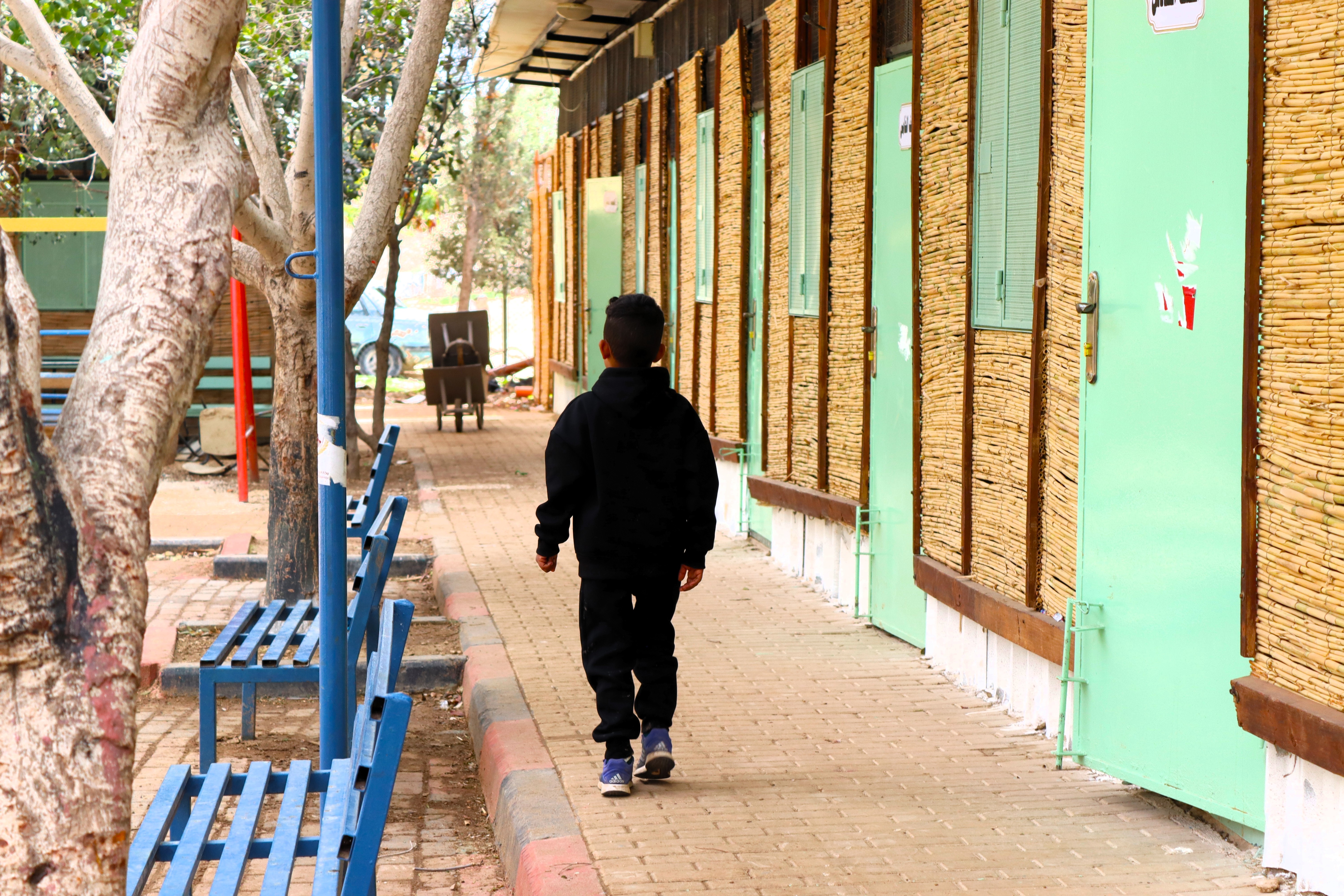
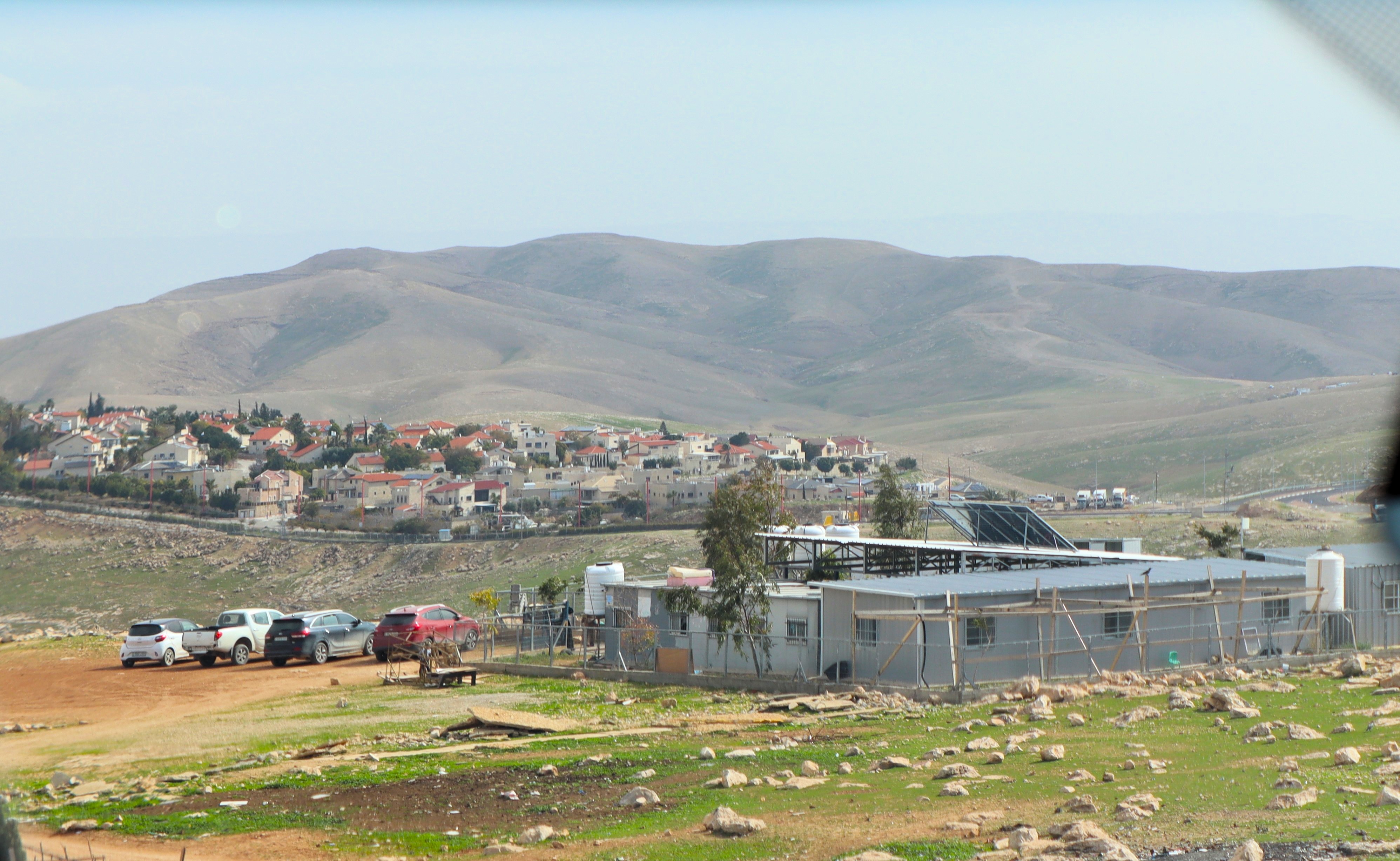
In rural communities in Area C, schools represent a safe space where children can learn, play, and feel part of a community. In a context marked by ongoing violations that make daily life for the Palestinian population particularly challenging, characterized by isolation, forced displacement, demolitions, and repeated settler attacks, it is essential to strengthen social protection systems and access to basic services. Within this context, the Himayati project was launched, funded by the Italian Cooperation and implemented by the NGO Vento di Terra in partnership with the NGO COSPE. The initiative aims to contribute to the creation of safe environments that foster growth and resilience, by strengthening protection services and response mechanisms to human rights violations at both school and community levels within Bedouin communities residing in Area C.
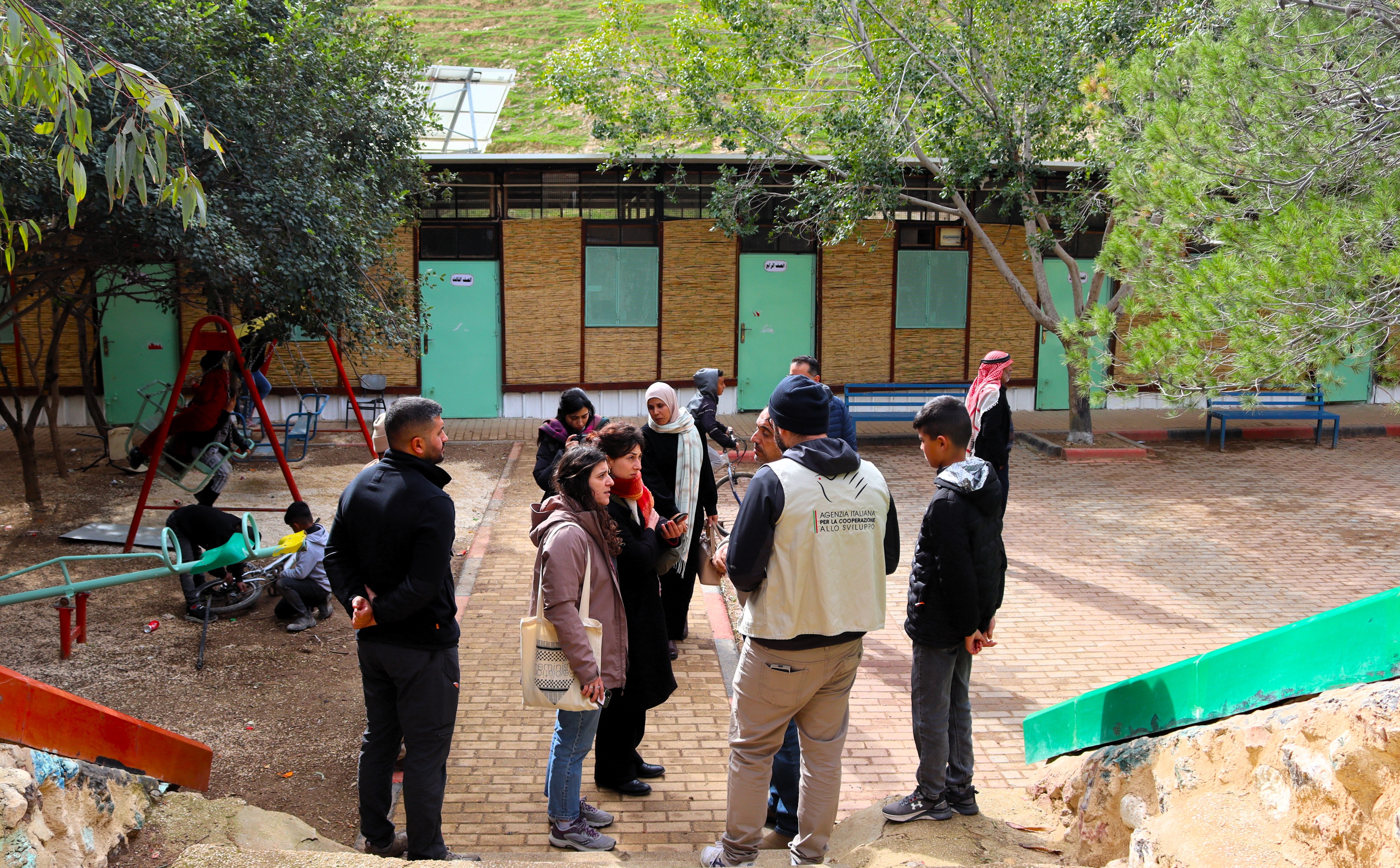
During the visit by the Italian Agency for Development Cooperation (AICS), it was possible to engage directly with beneficiary communities and key local stakeholders, including Mukhtars, reference figures within Bedouin communities, and school principals, gathering first-hand testimonies on the project’s impact and on the daily challenges faced by the communities.
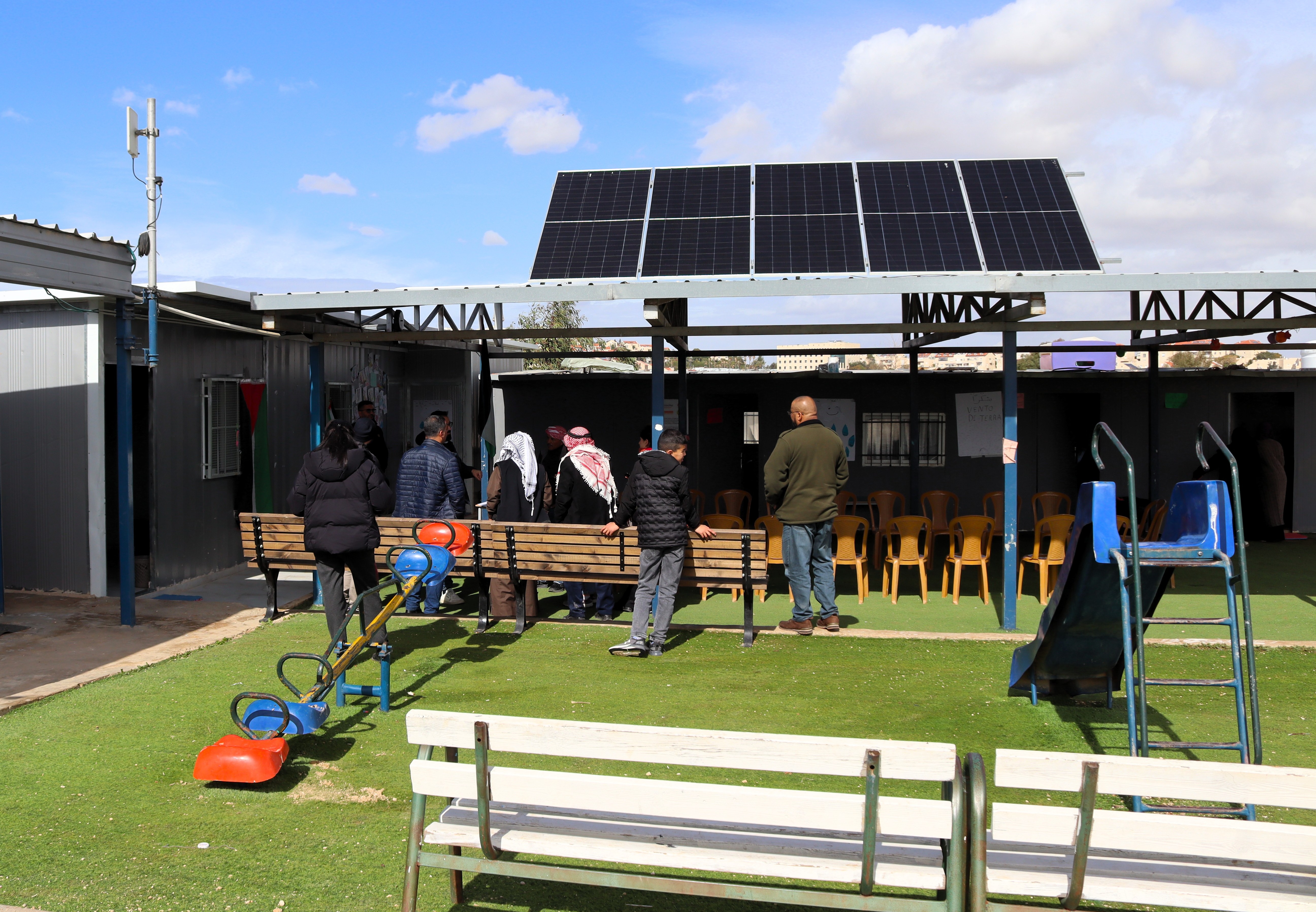
The principal of one of the visited schools stated: “For our children, these activities are much more than simple lessons: they represent moments of normality and safety in a difficult context. The school has contributed significantly to the stabilisation of the Bedouin community.” The school hosts seventy students, supported by thirteen teachers, from third to ninth grade, equivalent to primary and lower secondary education. “The project activities,” he added, “are truly tangible and concrete.”
Abu Imad, principal of another school included in the visit, highlighted the positive impact of the interventions: “Ours is one of the largest Bedouin communities. The rehabilitation work has helped create a safe and recognisable environment. Seventy-two students attend the school, and women actively participate in empowerment activities, particularly those related to livestock breeding and the marketing of products, which offer new economic opportunities.”
Through Himayati, schools are reaffirmed as essential points of reference for Bedouin communities, protected spaces where children and adolescents can grow, learn, and feel an integral part of their community, even in a context marked by daily challenges and conditions of heightened vulnerability.