On the occasion of International Women’s Day, the Italian Agency for Development Cooperation (AICS) celebrates the initiatives and partnerships supporting the health of women living in developing countries and fragile contexts. This commitment aims to remove the obstacles that still limit gender equality, particularly with regard to access to quality healthcare services.
“Improving living conditions, promoting autonomy, and laying the foundations for genuine emancipation are central elements of action for gender equality. This work also recognizes the decisive impact that social norms and stereotypes have on disease prevention and on access to healthcare services,” emphasizes the Director of the Agency, Marco Riccardo Rusconi.
In this area, Italian Cooperation promotes initiatives that strengthen the institutions of partner countries and their health systems. These interventions aim to improve the skills of healthcare professionals and support legislative reforms aligned with international best practices. At the same time, communities are actively involved to promote lasting change and remove gender barriers, ensuring that everyone can fully exercise their right to health.
Italy funds numerous programs designed to support health services and strengthen local capacities, contributing to the creation of more equitable societies where health and dignity are truly accessible to all.
The regional initiative “Creation of a Health Network in Kenya, Tanzania and Uganda” has strengthened 34 facilities—12 in Kenya, 10 in Tanzania and 12 in Uganda—improving access to and the quality of maternal and child health services. Activities carried out include the training of healthcare and paramedical staff, community awareness initiatives, the provision of equipment, and the introduction of innovative services such as mobile ultrasound units.
In Senegal, the Resource Groups established under the “Essere Donna” (Being a Woman) project—implemented by the Center for Global Health and COSPE—create safe spaces for dialogue among women, aimed at promoting women’s empowerment and strengthening the exercise of sexual and reproductive health rights.
In Ethiopia, the VERSO project, implemented by Amref, strengthens access to and the quality of services addressing gender-based violence and mental health, particularly in conflict-affected regions, contributing to building sustainable foundations for recovery.
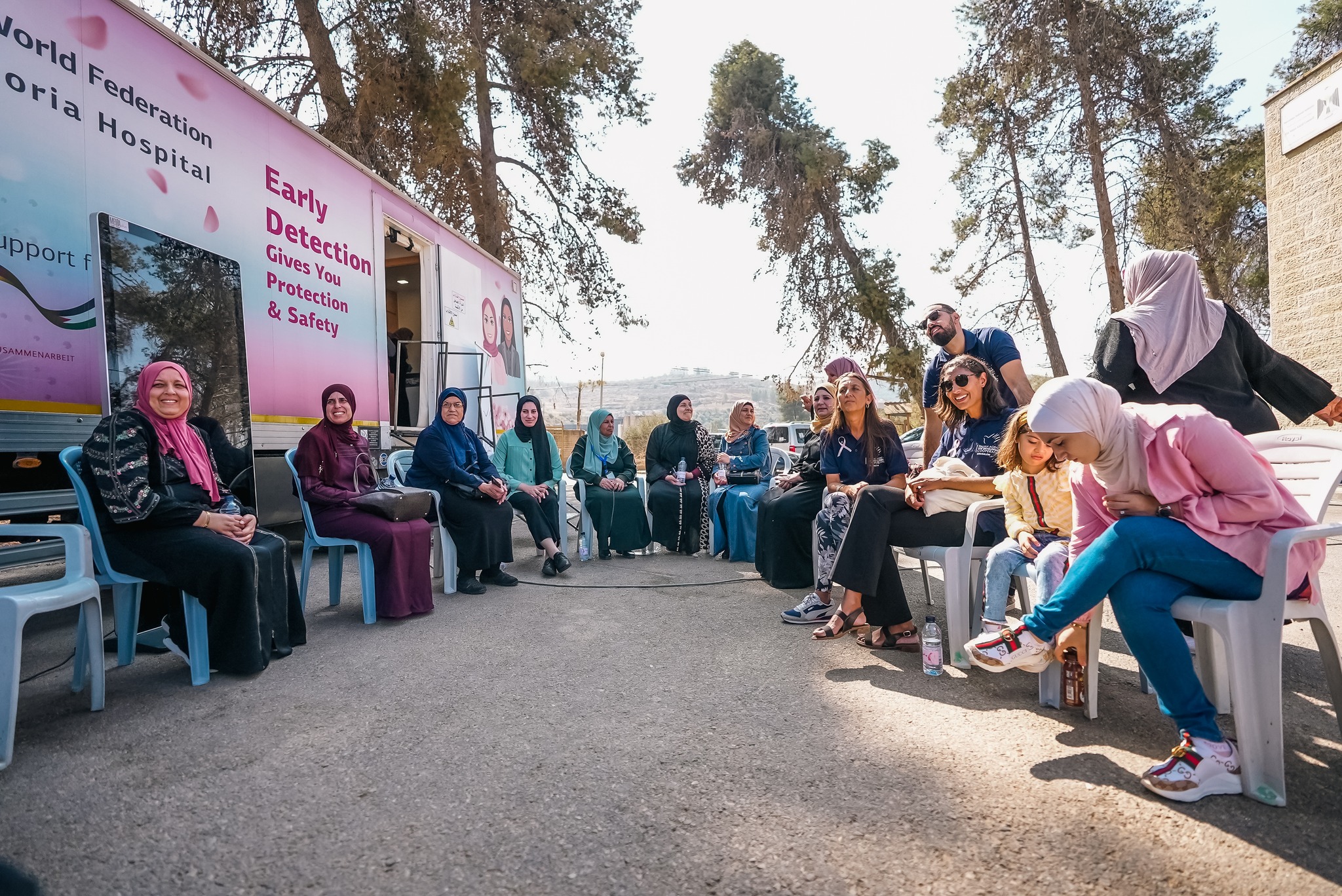
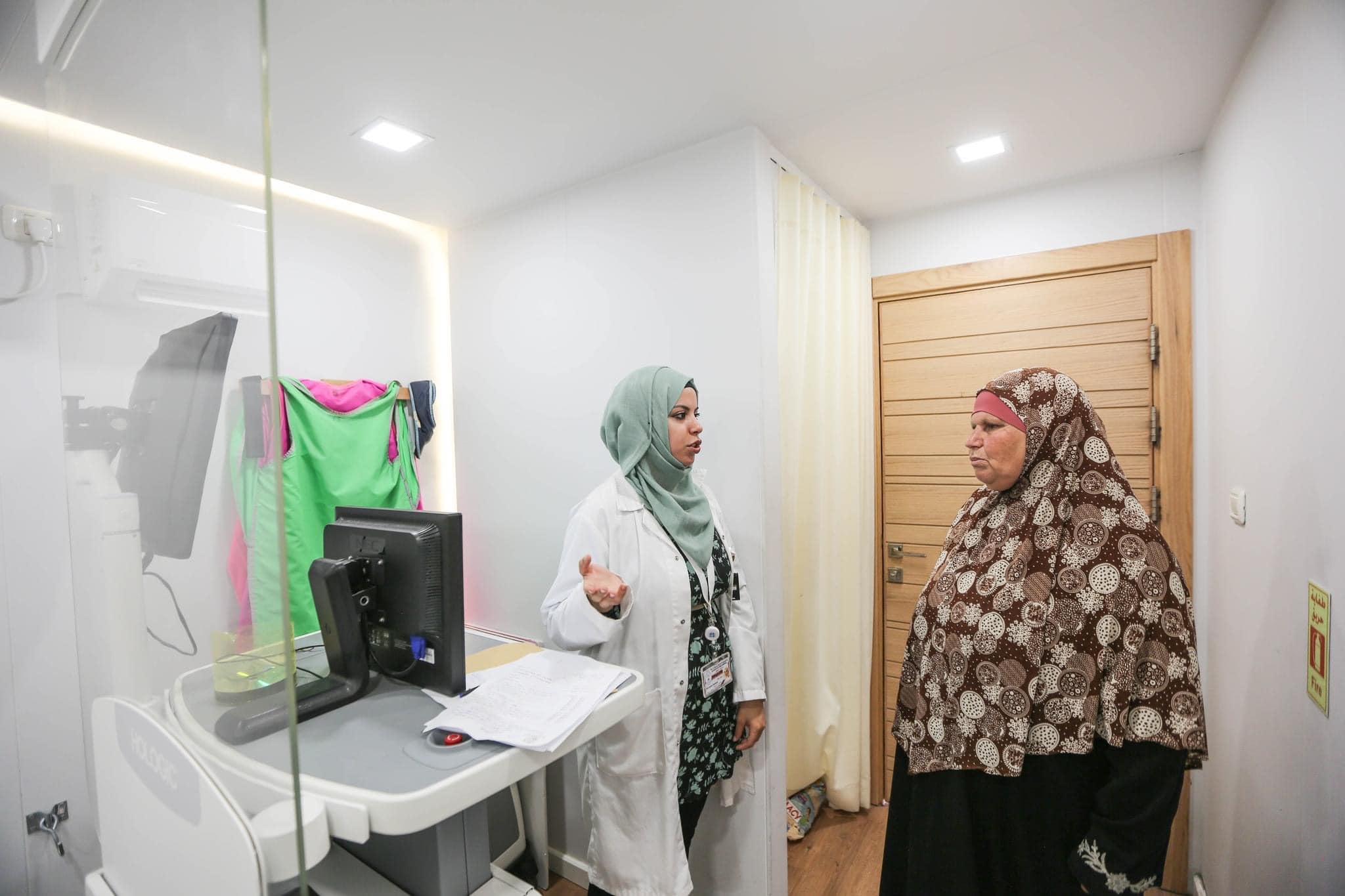
In Palestine, within the framework of the RING initiative, the “Pink October” campaign has been promoted. In addition to offering free diagnostic examinations, the campaign has carried out health education activities to promote breast self-examination, encourage healthy lifestyles, and raise awareness about the importance of early diagnosis. Thanks to the increasing involvement of men in awareness activities, a slow but steady positive shift is being observed.
“Change is possible when institutions, communities and professionals work together through an integrated, rights-based approach. Through interventions in the health sector, the goal is not only to improve health indicators but also to address inequalities in a structural way. The empowerment of women, girls and children is an essential condition for eradicating poverty and building more just, inclusive and sustainable societies,” notes Annamaria Iotti, Head of the Agency’s Human Development Office.