Yesterday, the 2nd of December, the Faculty of Law at Al-Quds University launched the first international conference in Palestine titled “Gender Equality and Women’s Empowerment: Challenges, Solutions, and Best Practices in the Mediterranean Region.” The conference was organized in partnership with the Palestinian Ministry of Women’s Affairs, the Palestine NGO Forum for Combating Violence Against Women, the United Nations Population Fund (UNFPA), the University of Perugia in Italy, and funded by the Italian Cooperation,
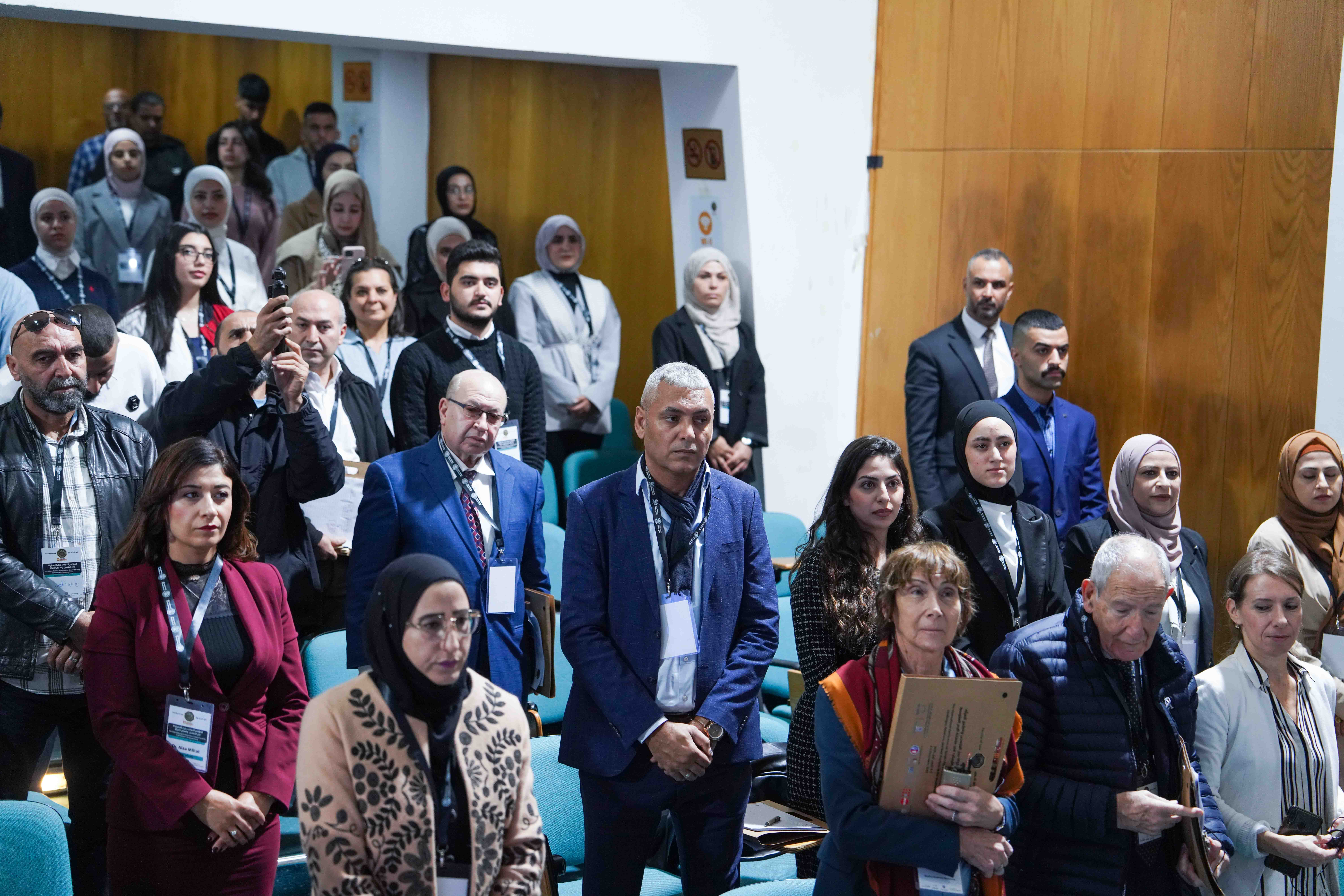
The conference was attended by Mirko Tricoli, Head of the Italian Cooperation Office in Jerusalem; Prof. Hanna Abdel Nour, President of Al-Quds University, Minister of Women’s Affairs, Mona Al-Khalili, Dr. Issa Manasra, Dean of the Faculty of Law at Al-Quds University, and Ms. Sabah Salama from the Forum for Combating Violence Against Women.
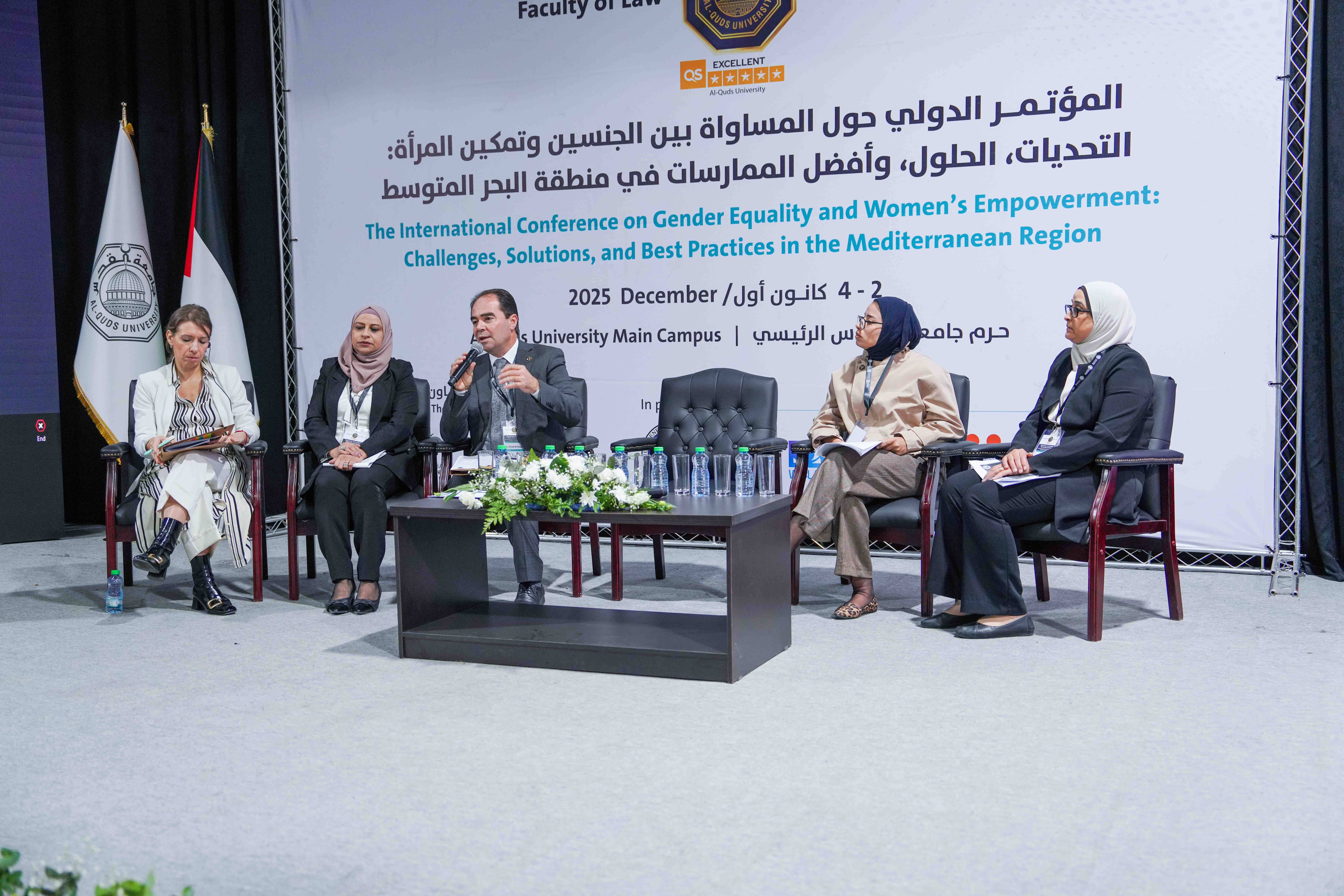
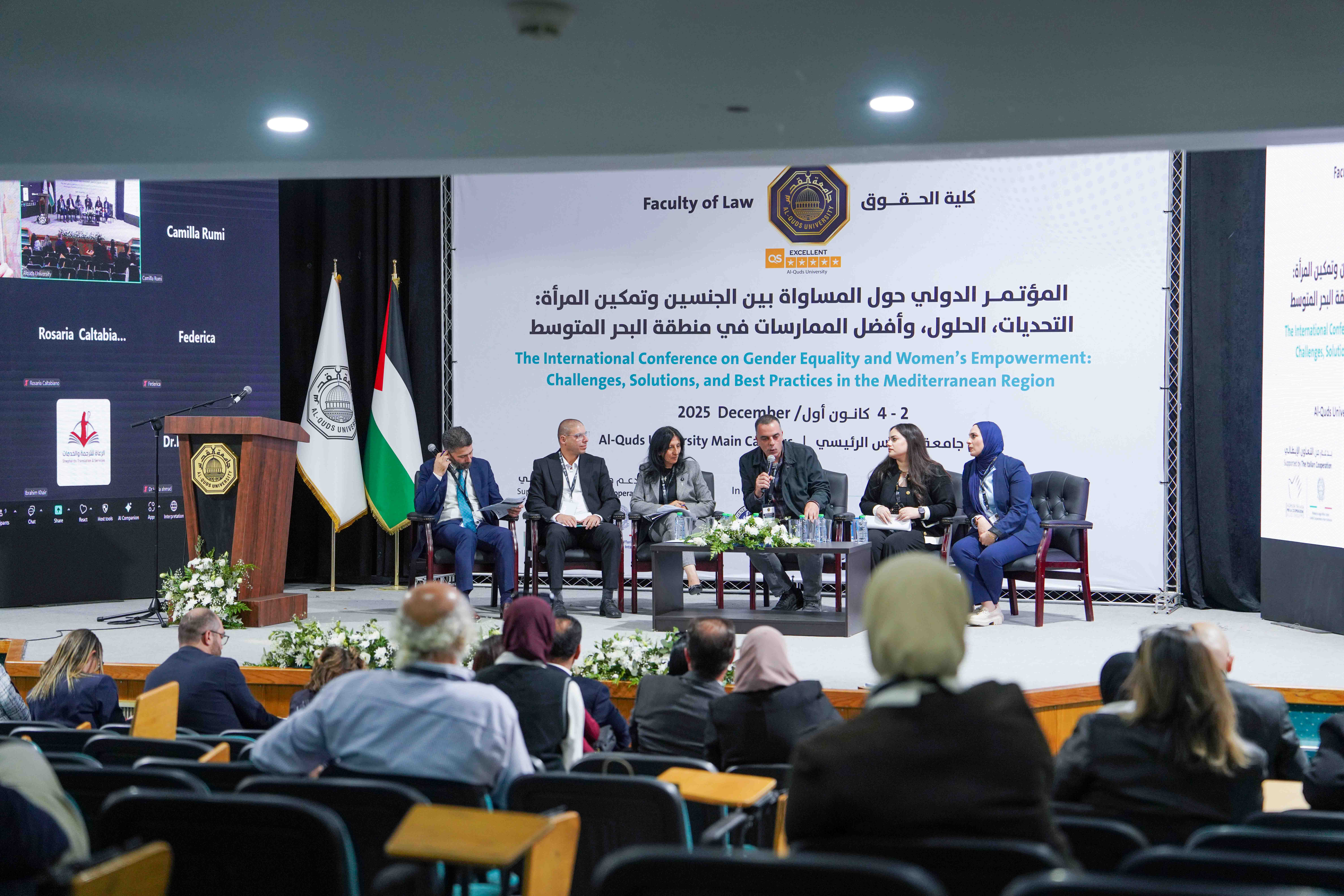
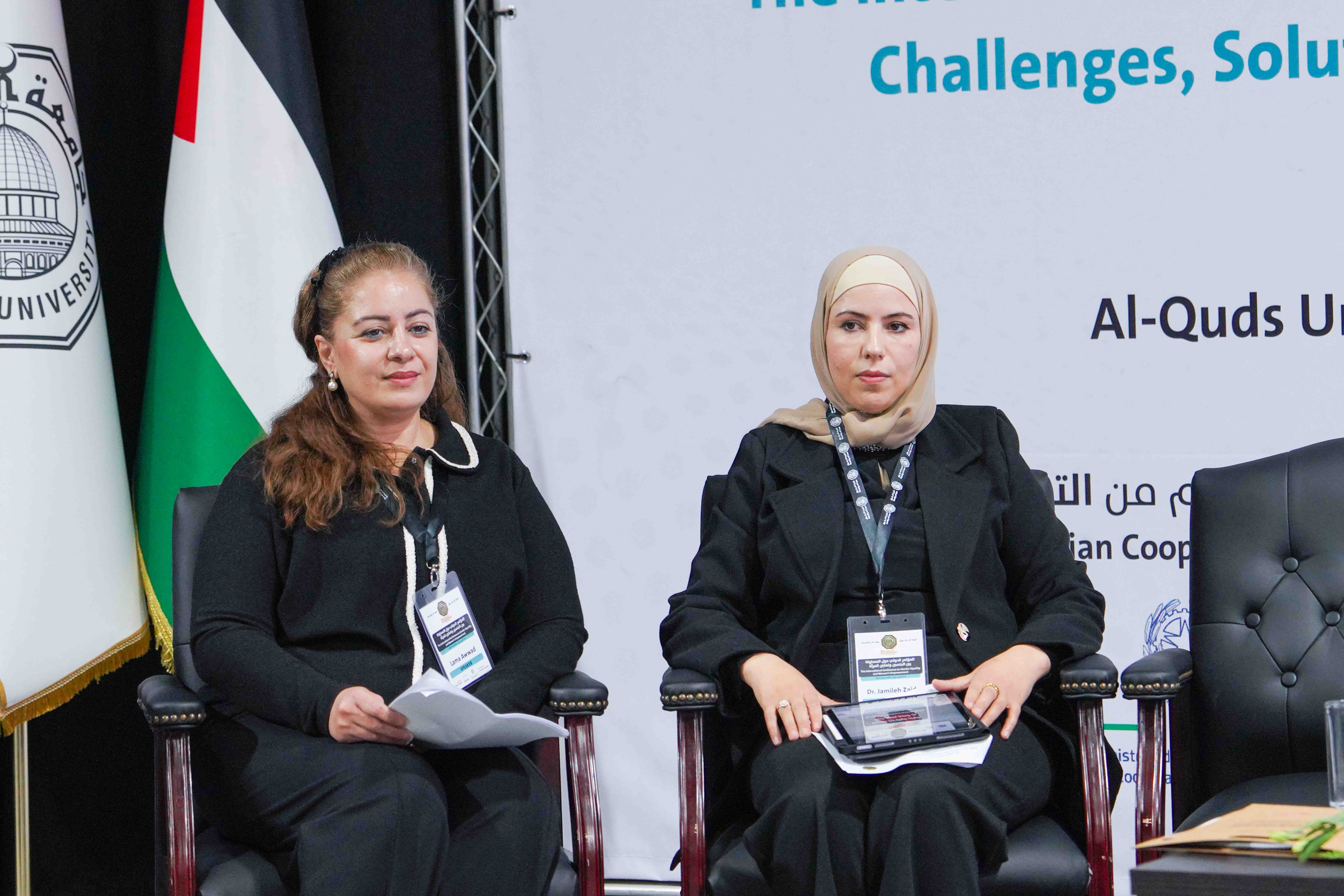
During the first day, researchers presented their selected papers in four sessions held at Al-Quds University. The sessions were discussed and reviewed with the participation of academics, experts, decision-makers, and representatives from civil society. They covered five main themes: violence against women, gender equality in the labor market and workplace, women and society, gender and governmental sectors, and the Italian experience.
The Italian participation included representatives from eCampus University, the Court of Catania, Roma Tre University, the University of Messina, La Sapienza University, the “Bar” Foundation, and the Regional Health Authority of Catania, in addition to participation from the University of Granada in Spain and the University of Damascus.
Prof. Abdel Nour emphasized that women’s participation in decision-making strengthens the values of integrity, transparency, justice, and accountability. He affirmed that the role of women at the university represents a model of leadership and innovation, noting that their significant contributions have been instrumental in advancing the university toward global excellence.
Dr. Manasra announced the establishment of the Women’s Rights Center for Legal Studies, which will focus on producing research aimed at empowering women and protecting their rights. The center’s work will be guided by the outcomes of the conference and implemented in cooperation with government bodies and civil society.
For his part, Mirko Tricoli highlighted that this initiative reflects a strong collective commitment to gender equality and reinforces the importance of dialogue, academic partnerships, and the exchange of best educational practices. The initiative aims to promote gender equality and prevent gender-based violence in Palestine through social, cultural, and economic transformation.
The Head of the Italian Cooperation Office also addressed the partnership between Italian and Palestinian universities, in academic and student exchange. He stressed that education is the foundation for creating solutions and combating violence against women, paving the way toward an inclusive society built on empowerment and equality, and preparing a new, aware, and capable generation to confront contemporary social, cultural, and economic challenges.
The conference aims to shed light on the broader challenges faced by women in the region, with a particular focus on the multidimensional struggles of Palestinian women. It also seeks to examine and identify concrete mechanisms to ensure the full respect, protection, and fulfillment of their rights, especially in light of the worsening social, political, and economic conditions in Palestine.
The three-day conference includes field visits on the second day to Palestinian civil society organizations, while the final day is dedicated to a meeting with the Ministry of Women’s Affairs and relevant government bodies. The event will conclude with a roundtable bringing together government, civil society and academic representatives to analyze conference outcomes, best practices and recommendations. This represents the first joined advocacy effort of academic institutions, civil society and local authorities to push for policy change to better address gender-based violence and to include the active participation of women in the social, economic and political scene both at local and international levels.
The End.